
Is Composite Decking Worth the Investment?
Building a deck isn’t just about adding square footage to a home’s outdoor space. It’s about creating a place to gather, relax, and enjoy life outside. With Canadian summers short and winters harsh, the materials you choose make a huge difference in durability, maintenance, and appearance. Composite decking has earned attention for a good reason. It promises style, strength, and long-term value. But does it live up to the price tag? Here’s a no-nonsense look.
What Is Composite Decking?
Composite decking blends wood fibres and recycled plastics to form a sturdy, weather-resistant material. Unlike timber, it won’t rot, splinter, or warp. The boards come in various colours and textures, mimicking the look of natural wood without the drawbacks. Brands often cap their boards with a polymer shell, offering defence against fading, staining, and moisture.
Durability in the Face of Canadian Weather
One of the selling points of composite decking is its ability to withstand extreme weather. Canadian winters are brutal, with ice, snow, and temperatures dipping well below zero. In summer, decks face harsh UV rays and rapid temperature shifts. Composite materials don’t absorb water like wood. They resist swelling, splitting, and cracking after repeated freeze-thaw cycles.
Snow and ice removal is easier. While timber can splinter under the strain of shovelling, composite decking stays smooth and intact. It won’t develop slippery mildew patches as quickly as untreated wood. That means safer, longer-lasting outdoor spaces.
Maintenance and Upkeep
Composite decking demands little maintenance. A basic clean with soapy water and a soft brush keeps it looking fresh. No need for annual staining, sanding, or sealing. Over a 20-year lifespan, that translates to significant time and cost savings.
Timber decks, on the other hand, require regular attention. Canadian homeowners often find themselves battling mildew, peeling finishes, and weather damage. Maintenance costs can easily add up over the years — often surpassing the initial price difference between timber and composite boards.
Cost Considerations
Yes, composite decking costs more upfront. Pressure-treated wood might cost half as much. Factor in long-term maintenance, repairs, and replacement, and the numbers shift.
Over two decades, a timber deck could need multiple stain treatments, plank replacements, and eventual reconstruction. Composite boards last longer without those expenses. Many brands back their products with 25- to 50-year warranties, giving homeowners added peace of mind.
Appearance and Design Options
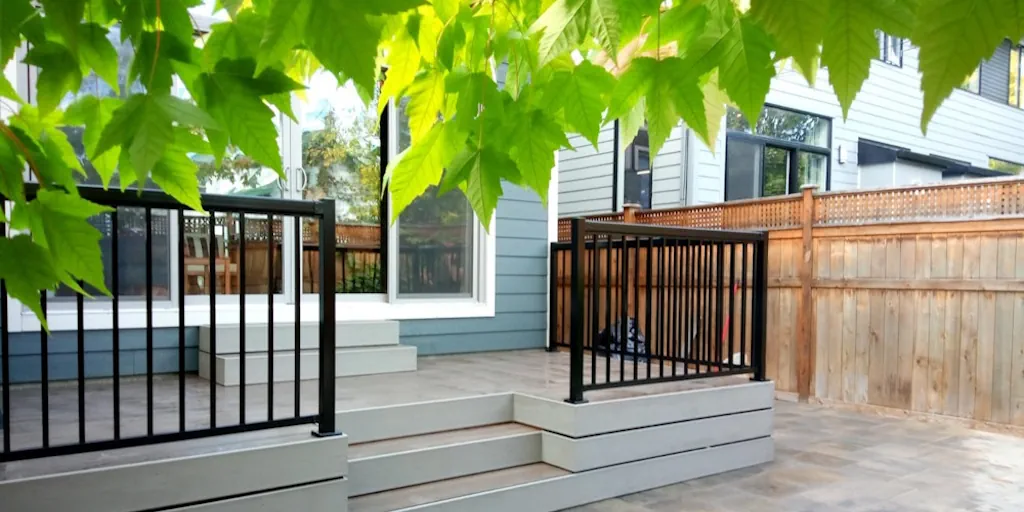
Gone are the days when composite boards looked plastic and flat. Modern ranges offer rich, natural woodgrain finishes in earthy tones and contemporary shades. Colours remain consistent over the years, without greying or blotching like wood.
Boards come in varied widths, lengths, and textures, suiting traditional cottages, sleek city terraces, or sprawling suburban backyards. Hidden fastener systems eliminate visible screws, leaving clean, uninterrupted surfaces. Integrated lighting and railing options help create polished, cohesive outdoor spaces.
Is It Worth It?
For those seeking low-maintenance, long-lasting, and visually appealing decking that handles Canadian climates, composite decking justifies the investment. The higher initial outlay repays itself through durability, reduced upkeep, and a deck that stays beautiful for decades. It’s a practical, smart choice for homeowners wanting to enjoy their outdoor space, not manage it.