
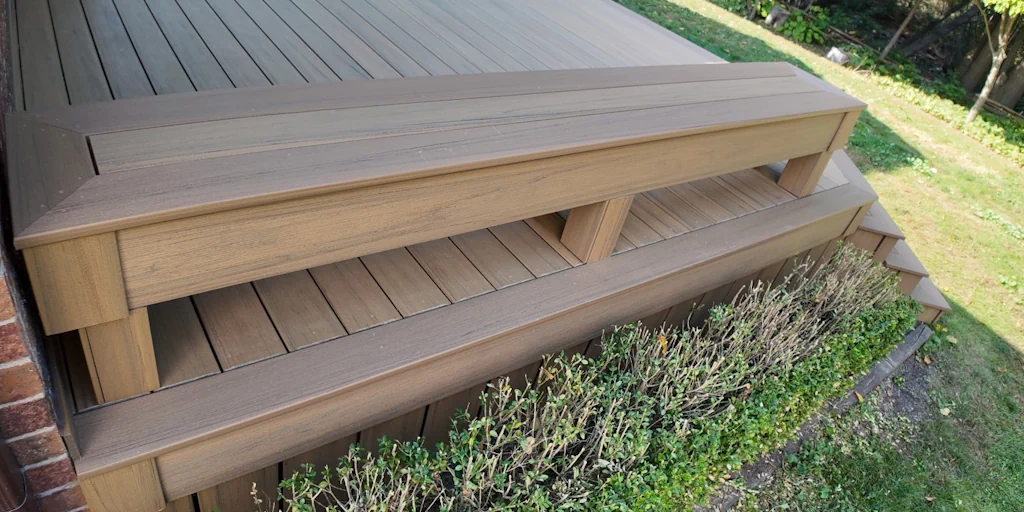
Composite vs Timber Decking
Choosing between composite and timber decking isn’t a light decision. It shapes the look, feel, and long-term upkeep of any outdoor space. Each material carries clear advantages and drawbacks, and what suits one home might disappoint in another. Anyone considering a deck installation in Ottawa needs to weigh these factors.
Appearance and Style
Timber decking boasts a natural, authentic grain. Its warmth and character appeal to those who prefer traditional aesthetics. No two timber boards are identical. They age gracefully, developing unique patterns and tones over time.
Composite decking, by contrast, offers consistency. Manufactured from wood fibres and recycled plastics, these boards provide a uniform appearance. Modern ranges replicate the texture and tones of natural wood remarkably well. While it lacks timber’s unpredictability, it maintains its original shade and finishes far longer.
For Ottawa homeowners seeking rustic charm, timber wins. For those chasing clean, modern lines and minimal maintenance, composite stands ahead.
Maintenance and Longevity
A consideration lies in upkeep. Timber decks demand commitment. Left untreated, wood weathers, cracks, and fades. Annual staining, sealing, and cleaning become essential. Moisture poses a threat, especially in Ottawa’s harsh winters. Freeze-thaw cycles split boards and accelerate rot.
Composite decking shrugs off these problems. It resists moisture, fading, and insect damage. A quick wash keeps it presentable. No need for stains, oils, or preservatives. It won’t splinter, warp, or cup. In climates where snow lingers for months, composite outperforms timber for durability and ease of care.
Cost and Value
Initial costs differ sharply. Timber decking, particularly pressure-treated softwood, often appears cheaper upfront. Premium hardwoods, however, climb steeply in price. Yet the long-term expense tells a different story.
Composite decking demands more at installation but costs far less to maintain. No oils, sealants, or costly repairs. Over ten to fifteen years, composite proves cheaper when factoring in maintenance supplies, labour, and replacements.
For buyers who plan to stay in their home for a decade or more, composite often makes financial sense. Short-term homeowners may lean towards timber for its lower starting price.
Durability and Performance
Ottawa’s weather tests materials hard. Heavy snow, ice, and sharp temperature swings punish outdoor structures. Composite handles this better. It resists cracking and swelling. Snow melts faster from its surface, and it stays slip-resistant even in damp conditions.
Timber feels better under bare feet on hot days. It absorbs heat less readily than composite. Yet without treatment, boards split, nails pop and decay set in.
For properties prioritising longevity and minimal upkeep, composite takes the advantage.
Environmental Impact
Modern consumers ask about sustainability. Timber decking uses natural resources. Responsibly sourced timber from certified forests can be eco-friendly, though cutting trees still leaves a mark.
Composite decking uses recycled plastics and wood fibres, diverting waste from landfills. It lasts longer, reducing the frequency of replacements. Some products include up to 95% recycled content, lowering their carbon footprint.
The choice here depends on individual values, natural materials versus recycled, long-lasting alternatives.
Who Should Build It
Installation quality matters. Poor construction ruins even the finest materials. Trusted deck builders ensure boards are spaced correctly, frames are supported, and materials perform as intended. They’ll guide homeowners towards the right product for their needs and budget.
Final Verdict
Timber decking wins on charm and authenticity. It suits heritage properties, rustic homes, and those willing to maintain it. Composite decking leads to durability, consistency, and ease of ownership. It keeps its look for years with little effort.
The right choice balances personal taste, budget, and how much time one’s willing to spend with a paintbrush in hand.